



Chiropractor in Rockville, MD
Welcome to Kadin Family Chiropractic, your home for wellness in Rockville, MD. Our warm and dedicated chiropractor team is unwavering in its commitment to deliver top-tier chiropractic services and personalized care plans beautifully tailored to your unique needs.
We hold a firm belief in the power of natural healing and use cutting-edge chiropractic techniques aimed at nurturing optimal health. Whether you’re journeying through the discomfort of chronic pain or taking steps towards proactive body wellness, we’re here by your side – every step of the way.
Dr. Katherine Kadin knows that how we treat our bodies directly affects our level of wellness. “I am blessed each day to help men, women, and children express their truest health potential,” she says. She is committed to helping everyone choose a vital, enthusiastic approach to health through Family Wellness Chiropractic Care.

Chiropractic for Breech Babies
Chiropractor for Breech Babies
Her passion for working with expectant mothers and babies has led her to become one of the only chiropractors in the area educated in the Webster Technique, a gentle, specific technique designed especially to relieve the causes of intra-uterine constraint during pregnancy. In order to advance her mission of helping as many children and families as possible reach their fullest health potential, Dr. Kat is a member of the International Chiropractic Pediatric Association and has an advanced diplomate in Pediatric Chiropractic.
Can her unique approach to natural relief and health care help you? Find out. We’ve helped many Rockville-area families who went from chiropractor to chiropractor and finally found results in our office.
If you have not been to a chiropractor before and want to find out more, please email us or call (240) 430-1004 to receive the answers to your questions from our experienced team. We also welcome referrals, so we invite you to share our chiropractic and wellness information with your friends and loved ones.
About Chiropractic Care
About Chiropractic Care
Chiropractic care focuses on disorders of the musculoskeletal system and how these affect general health. It often deals with issues regarding your spine, aiming to alleviate chronic pain, neck pain, and other discomforts without resorting to invasive surgery or drugs.
Our licensed chiropractors apply proven chiropractic techniques such as spinal adjustments to relieve patients from their ailments.
Patients’ wellness is our top priority in providing chiropractic care. We construct an individualized treatment plan for every patient that includes postural corrections and rehabilitative exercises focused not only on relief but also the prevention of future problems.
Through continual improvement, we aim to guide our patients towards optimal health.

Services Offered
We offer a range of services including Webster Certified Family Chiropractic Care, Pediatric Chiropractic Care, Functional Medicine Evaluation, Allergy Testing and Labs, and Wellness Chiropractic Services.
Webster Certified Family Chiropractic Care
Our esteemed practice proudly provides Webster Certified Family Chiropractic Care. This advanced method prioritizes the alignment of pelvic muscles and ligaments in pregnant women, enhancing comfort during pregnancy.
Our proficient chiropractors employ mild adjusting methods to help future mothers maintain optimal health, minimizing possible complications during labor and delivery.
Our unique treatment approach also encompasses more than just maternity care. It offers considerable advantages for every family member from newborns to seniors. With personalized treatment plans crafted to target specific musculoskeletal issues, our Webster certified professionals strive for comprehensive health enhancements through corrective exercises and posture correction techniques.

Pediatric Chiropractic Care
In our establishment, we offer a variety of dedicated pediatric chiropractic services. We understand that every child is different and needs personalized care plans. Our gentle chiropractic adjustments are designed to relieve common childhood issues like ear infections and growing pains.
This safe method encourages proper growth while managing musculoskeletal conditions in children. Parents can rely on us to ensure their child’s best health during all phases of life.

Functional Medicine Evaluation
Functional Medicine Evaluation is a crucial part of our holistic approach to healthcare at Kadin Family Chiropractic. By conducting a thorough evaluation, we aim to uncover the root causes of your health concerns rather than simply treating symptoms.
Our experienced chiropractors utilize advanced diagnostic tools and techniques to assess various aspects of your health, including nutrition, hormones, gut health, and immune system function.
This comprehensive evaluation allows us to develop an individualized treatment plan tailored specifically to address your unique needs and optimize your overall well-being. Through functional medicine, we strive to promote long-lasting healing and empower you on your journey towards optimal health.
Allergy Testing and Labs
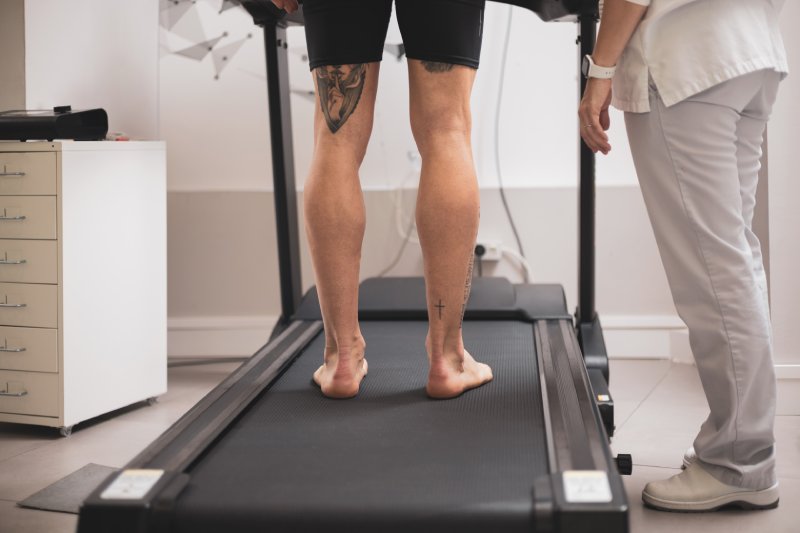
Our chiropractic clinic offers comprehensive allergy testing and labs to help identify and address underlying allergies that may be affecting your health. Our licensed chiropractors are experienced in conducting various types of tests to pinpoint specific allergens, such as skin prick tests or blood tests.
By identifying the root cause of your allergies, we can develop an individualized treatment plan to alleviate symptoms and improve overall well-being. Through a combination of chiropractic techniques, functional medicine evaluation, and personalized care, we aim to optimize your health by addressing not only musculoskeletal conditions but also potential allergic triggers.
Trust our team at Kadin Family Chiropractic to provide you with effective solutions for allergy relief and optimal wellness.

Wellness Chiropractic Services
At our chiropractic clinic, we offer a variety of Wellness Chiropractic Services to help you achieve and maintain optimal health. Our licensed chiropractors are committed to improving your overall well-being by creating personalized treatment plans based on your specific needs.
Our Wellness Chiropractic Services focus on preventive care and promoting long-term wellness. We use chiropractic adjustments and corrective exercises to address musculoskeletal conditions, alleviate pain, and enhance your body’s natural healing abilities.
Whether you are dealing with chronic pain or want to correct your posture, our experienced team is here to provide the chiropractic solutions you need.
We take a holistic approach that considers both physical and mental well-being in our Wellness Chiropractic Services. We believe in empowering patients to play an active role in their health through education and guidance on nutrition, lifestyle modifications, and rehabilitative exercises.

Dr. Kat specializes in a realistic holistic approach by integrating functional wellness with brain-based chiropractic care. She is a trained family-focused Webster Certified Chiropractor in Rockville, MD, who offers nervous system-based functional chiropractic support. From in-utero through early childhood, she can lay the foundation for thriving health and development.
Support Natural Birth
Are you worried about a breech baby? Looking to have a more comfortable pregnancy, smoother birth, and quicker recovery? How about trying to get pregnant? Early prenatal care is crucial to set your baby up on the road to wellness from the start.
By addressing pelvic and spinal alignment changes during pregnancy, the Webster Technique focuses on aligning the pelvis, particularly the sacroiliac joint, to promote optimal biomechanics and nerve system function.
Dr. Kat is a member of the International Chiropractic Pediatric Association and has the most advanced diplomate in prenatal and Pediatric Chiropractic. (DACCP)


Tongue Tie and Breastfeeding Issues
As a TOTs-certified practitioner and pediatric chiropractor, Dr. Kat is highly knowledgeable when it comes to the world of tethered oral tissues, including tongue ties, lip, and buccal ties.
These often-overlooked conditions can have a significant impact on breastfeeding and breathing function. That’s where Dr. Kat comes in.
Through a deep understanding of the nervous system and how these ties can affect it, she can quickly identify the symptoms and design a care plan to get you and your child back on track.
Reflux, or Recurring Ear Infections
As a parent, it is concerning to see your child struggle with reflux or recurring ear infections. This is where Dr. Kat can play an important role.
Rather than simply treating the symptoms, she focuses on getting to the root cause of these health concerns.
By regulating the nervous system and thereby improving function, this helps the whole body to achieve true whole-body wellness; this is true for pediatric patients and their families!!!


Regulate the Nervous System
Are you or your child dealing with headaches, constipation, low energy, or anxiety? Or, maybe you are seeking help for conditions like autoimmunity or spectrum disorders.
Dr. Kat has developed a distinctive method that blends chiropractic care with functional wellness, aiming to address health issues at their source. This approach involves regulating the nervous system through brain-based care, identifying potential underlying factors like environmental triggers or mold exposure for example, delving into your medical history, and arranging relevant laboratory tests and diagnostics for a comprehensive assessment.
Using her training She uses this holistic strategy to ensure individualized care, promoting improved overall well-being and vitality.
Why Patients Love Us

FAQs
What types of services do you offer?
- Cold laser therapy
- Activator Adjustments
- Massage (prenatal and swedish)
- Spinal manipulation
- Mobilization
- Electrotherapy
- Cold Laser Therapy
- Functional Medicine
- Right Eye
- Pediatric cocare for oral ties
- Kt taping
- Rezzimax
- Preconception and fertility help
What types of payment methods do you accept?
Cash, Debit, Check (with valid ID), Visa, MasterCard, Discover, AmEx, Square Invoices, Apple Pay
Do you accept appointments? Do you accept walkins?
Yes, and yes!
What are your hours of operation?
Monday: 12:00pm-5:00pm
Tuesday: 10:00am-12:30pm *Functional Wellness Appointments Only
Wednesday: 2:00pm-4:30pm
Friday: 12:00pm-4:30pm
Thursday, Saturday, Sunday: Closed